More Than a Walk in the Woods: How Participating in Nature May Support Mental Health

For centuries, people across cultures have turned to nature as a place of healing. Whether it was a quiet forest, a flowing river, or a carefully tended garden, the natural world has long been associated with restoration and well-being. Today, modern research increasingly supports this intuition, showing that spending time in nature can reduce symptoms of depression and anxiety while improving emotional well-being.
But there is an important question that deserves more attention: Is simply being in nature enough, or does actively participating in the living world offer something different?
This distinction matters, especially for people living with mood disorders. While many studies focus on nature as a calming environment, they often overlook what happens when people become active participants in living ecosystems rather than passive visitors. Planting a seed, caring for a garden, restoring a habitat, or observing seasonal changes all involve an ongoing relationship with the natural world. These experiences may offer unique psychological benefits that extend beyond relaxation alone.
The Difference Between Exposure and Participation

Spending time outdoors and participating in nature are not the same experience.
A walk through a park may provide a welcome break from stress, but tending a garden requires regular attention, observation, and care. Ecological restoration asks people to work alongside natural processes rather than simply observe them. These activities involve reciprocity—the idea that we both influence and are influenced by the living systems around us.
This sense of mutual relationship may be especially meaningful for individuals who struggle with emotional regulation or feelings of isolation. Rather than simply finding temporary relief in nature, they may begin to experience themselves as belonging within a larger living community.
What Research Is Beginning to Show

Research consistently demonstrates that nature-based activities improve mental health. Across many studies, participants report lower levels of depression and anxiety, better emotional regulation, and greater overall well-being.
However, not all nature-based experiences involve the same level of engagement. Activities such as forest bathing, hiking, gardening, and ecological restoration are often grouped together because they all take place outdoors. Yet they require very different kinds of interaction with nature.
Interestingly, interventions that involve active participation—particularly gardening and therapeutic horticulture—often produce especially strong psychological benefits. Participants not only experience improvements in mood but also report greater social connection, purpose, and quality of life.
While researchers cannot yet say with certainty that participation itself is responsible for these outcomes, the pattern suggests that how we engage with nature may matter just as much as how much time we spend in it.
Healing Through Relationship
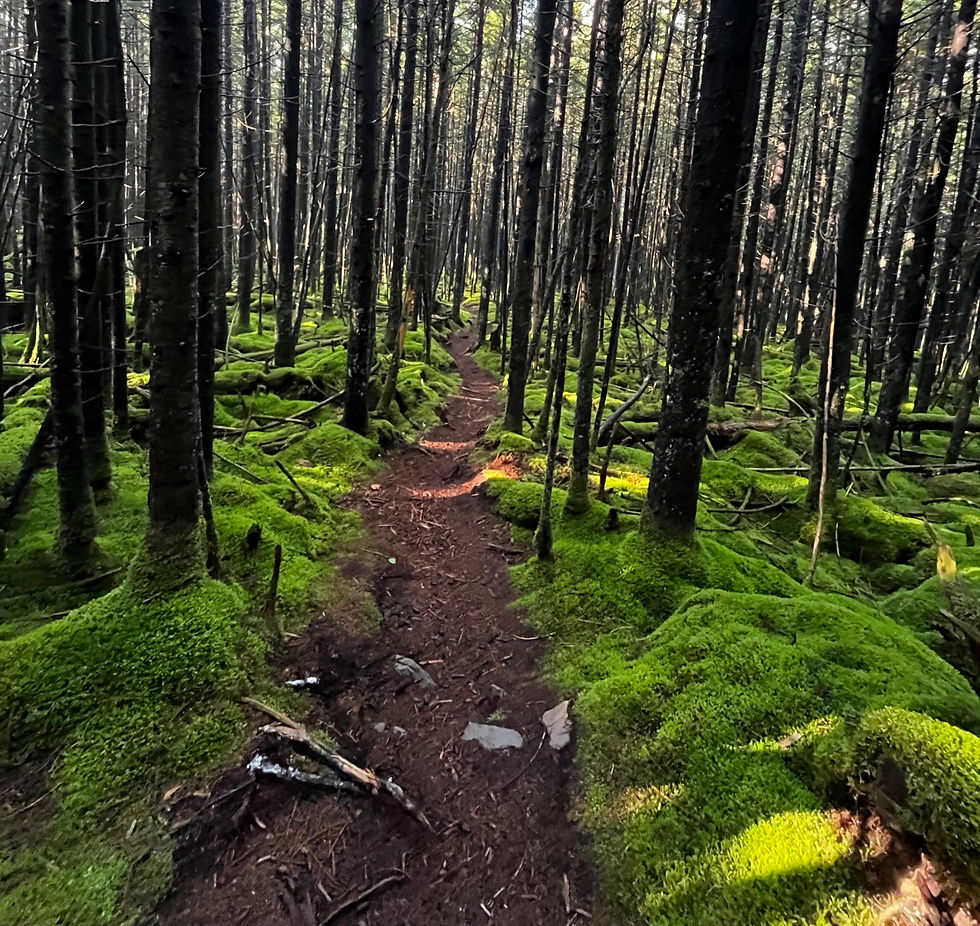
This growing body of knowledge points toward a broader understanding of healing.
Rather than viewing nature as simply a backdrop for recovery, it may be more accurate to see healing as something that develops through relationship. Caring for plants, responding to seasonal changes, and participating in living ecosystems creates a sense of continuity and connection that many people rarely experience in everyday life.
These relationships are not one-sided. As we care for the natural world, we are often reminded that we are part of it. That realization can foster a sense of belonging that is difficult to achieve through traditional clinical approaches alone.
For people living with mood disorders, this experience may be particularly valuable. Emotional regulation is not only an internal process—it can also be shaped by the quality of our relationships, including our relationship with the natural world.


Comments